

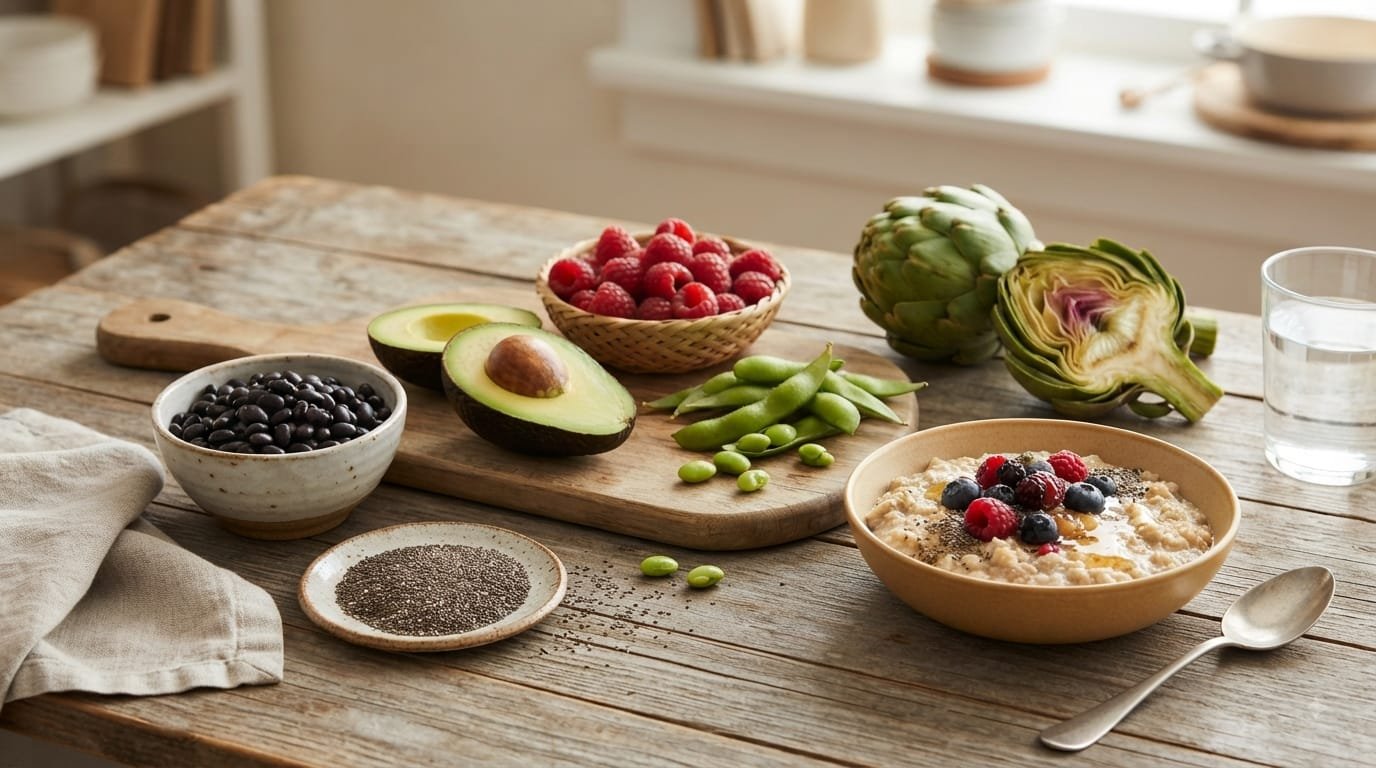
7 Everyday Foods That Pack More Fiber Than You Might Expect
Fiber is one of those nutrients that most people know they should probably eat more of—but few people stop to think about how much they are actually getting each day.
You may hear about protein constantly. You may see people talking about calories, sugar, carbs, and healthy fats. But fiber often gets pushed into the background.
That is changing.
In 2026, fiber has become one of the major themes in food and nutrition conversations, alongside the continued obsession with protein. Nutrition experts and food-industry trend reports are increasingly focusing on fiber-rich foods, gut health, and simple ways to make everyday meals more satisfying.
And there is a good reason for the attention.
Many Americans simply aren't getting enough fiber. One recent U.S. consumer survey found that nearly one in three adults reported consuming fewer than 20 grams of fiber per day. At the same time, most Americans recognize that fiber and whole grains are beneficial for health.
The interesting part?
You don't necessarily need strange ingredients, expensive powders, or complicated recipes to increase your fiber intake.
Some of the best options may already be sitting in your kitchen.
Here are seven everyday foods worth knowing about.
1. Black Beans
Black beans may be one of the easiest foods to overlook when you're thinking about fiber.
They're inexpensive, versatile, and can fit into everything from tacos and burrito bowls to salads, soups, and simple rice dishes.
A half-cup serving of black beans provides roughly 9 grams of fiber, according to nutrition information highlighted by EatingWell.
That's a substantial amount for a relatively small serving.
But fiber isn't the only reason beans are interesting.
Black beans also provide plant-based protein, making them particularly useful for people who want meals that feel more substantial without relying entirely on meat.
Try adding them to a salad instead of simply eating more lettuce. Mix them into a bowl with rice and vegetables. Add them to tacos. Or make a quick black-bean dip for a snack.
The point isn't to completely change your diet.
It's to make the foods you're already eating work harder for you.
2. Chia Seeds
Chia seeds are tiny, but they can bring a surprising amount of fiber to a meal.
Two tablespoons can provide around 10 grams of fiber, according to the same nutrition comparison.
That makes chia particularly interesting for people who don't want to eat a huge portion of food just to increase their fiber intake.
And they're incredibly easy to use.
You can sprinkle them over oatmeal.
Mix them into yogurt.
Add them to a smoothie.
Or make a simple chia pudding.
Because they have a mild flavor, they can be added to foods without dramatically changing the taste.
But there's an important point here: more isn't always better.
If your current diet is low in fiber, suddenly adding a large amount of high-fiber food can lead to bloating, gas, or stomach discomfort.
The National Institute of Diabetes and Digestive and Kidney Diseases recommends increasing fiber gradually so your body has time to adjust.
So if chia seeds are new to you, start small.
3. Avocados
Avocado has become almost unavoidable in American food culture.
Avocado toast.
Guacamole.
Salads.
Sandwiches.
Bowls.
Breakfast plates.
But beyond its popularity, avocado is also a useful source of fiber.
One whole avocado contains roughly 10 grams of fiber, according to EatingWell's recent comparison of fiber-rich foods.
That makes avocado an interesting example of how a food can contribute fiber without looking like a traditional "high-fiber" food.
You don't have to eat avocado by itself.
Add slices to a sandwich.
