

Start Gradually
Instead of trying to stay on your left side all night immediately, simply begin each night in that position.
Many people naturally change positions during sleep, and that’s perfectly normal.
Possible Drawbacks of Side Sleeping
Although side sleeping works well for many people, it isn’t ideal for everyone.
Potential downsides include:
Shoulder or Hip Pressure
If your mattress is too firm, pressure can build around the shoulders and hips.
If it’s too soft, your spine may lose proper alignment.
Finding the right mattress balance is important.
Facial Pressure
Some people with sinus congestion may notice increased facial pressure when lying on one side.
Others may experience temporary jaw discomfort if they have existing jaw tension.
Other Sleeping Positions
Sleeping on Your Back
Back sleeping may be helpful for some people experiencing:
- Hip discomfort
- Knee discomfort
- Certain forms of arthritis
- Nasal congestion
Helpful tips include:
- Place a pillow beneath the knees.
- Use a supportive neck pillow.
- Elevate the head slightly if occasional reflux is a concern.
Sleeping on Your Stomach
Many sleep specialists recommend limiting stomach sleeping because it may place additional strain on the neck and lower back.
If you find it difficult to change positions:
- Use a thin pillow or no pillow under your head.
- Avoid placing your hands beneath your pillow.
- Alternate the direction your head faces.
- Try not to sleep with one knee pulled far upward.
Frequently Asked Questions
Is sleeping on the left side always better?
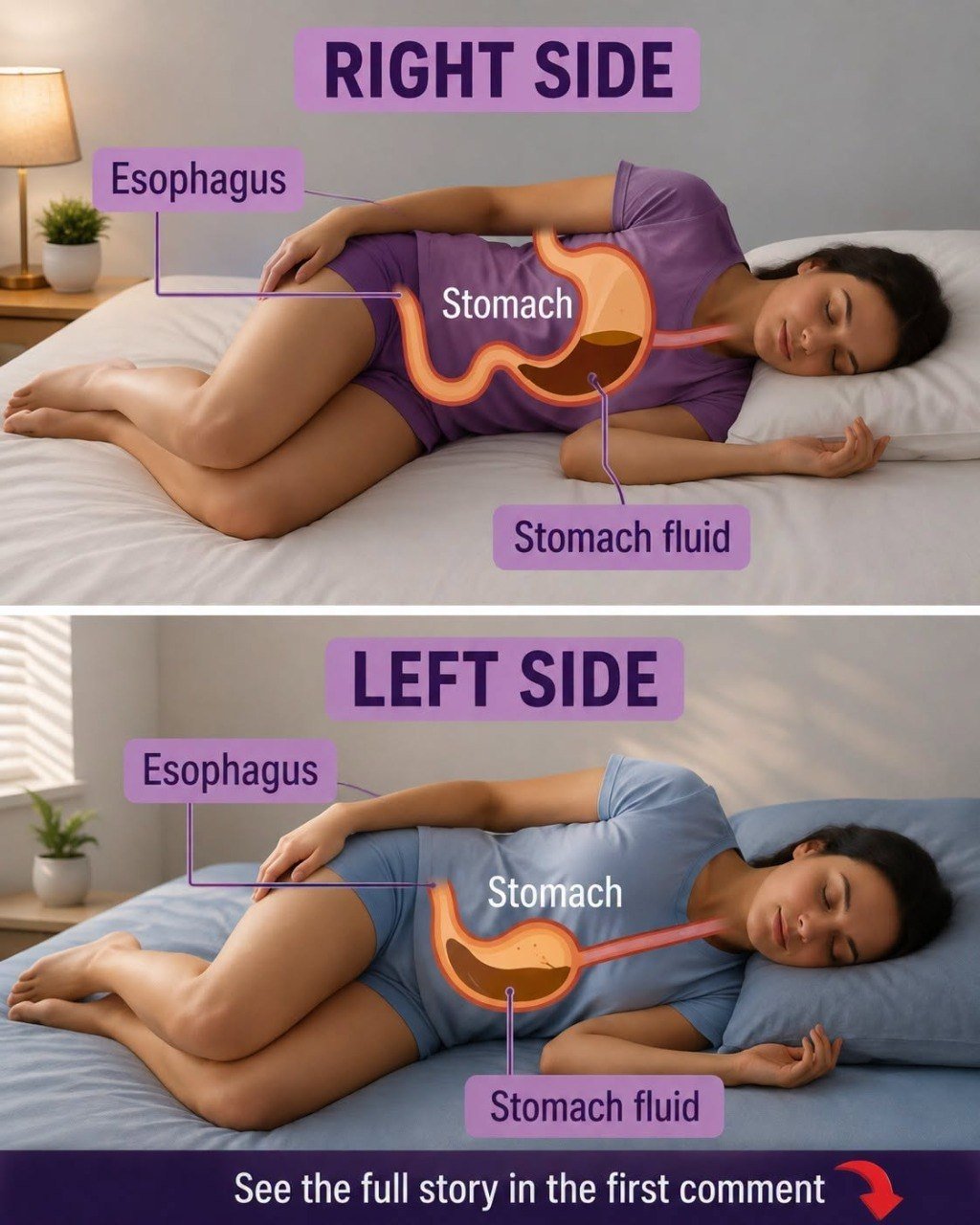
Not necessarily. It may be helpful for some people—particularly those with occasional acid reflux or during pregnancy—but the most comfortable position that allows you to sleep well is often the best choice.
Can left-side sleeping prevent Alzheimer’s disease?
Current research does not show that sleeping on the left side prevents Alzheimer’s disease. Some studies have explored whether side sleeping may support the brain’s waste-clearing system, but more research in humans is needed.
Is it okay to switch positions during the night?
Yes. Most people naturally change positions several times while sleeping, and this is considered normal.
Final Thoughts
Sleeping on your left side may offer benefits for digestion, snoring, spinal comfort, circulation, and possibly aspects of the brain’s natural nighttime maintenance. However, no sleeping position is universally best for everyone.
Choosing a supportive mattress and pillow, maintaining good sleep habits, and listening to your body’s comfort are often the most important factors for achieving restful sleep. If you experience persistent pain, severe reflux, or symptoms of a sleep disorder, consult a qualified healthcare professional for personalized advice.
SEO Keywords: sleeping on your left side, left side sleeping benefits, best sleeping position, glymphatic system, brain health during sleep, improve digestion naturally, reduce acid reflux while sleeping, sleep posture, side sleeping benefits, healthy sleep habits.Share
