

The tailgate of Arthur’s truck dropped with a heavy metal clang that echoed across the gravel. He was already rolling the first of six bright blue industrial drums toward the barn door before I could set down my clipboard.
“What are those for, Arthur?” I asked, rubbing my left thumb against my palm.
“New blend of winter feed,” he said, not looking up as he tilted the heavy plastic drum onto its edge. “Got a discount on a bulk order from a distributor out of Savannah.”
I reached out to touch the smooth, unmarked plastic. There was no label, no ingredient list, not even a shipping manifest taped to the side.
“We have always used our own late-season honey for the winter feed,” I said. “Where is the paperwork on this?”
Arthur tapped his gold watch face twice, his eyes scanning the driveway. “Paperwork is in the truck. Trust me, Mabel, this is certified organic. No need to open them now, they are sealed tight for storage.”
He pushed the drum past me into the dark corner of the barn, leaving a faint, sweet smell in the air that did not belong to any flower I knew.
By noon, the autumn heat was climbing, and I was sitting at the kitchen table when the bell out front rang. Evelyn, my oldest friend in Sweetwater, came through the entryway, wrapping her knitted green shawl tightly around her shoulders despite the midday warmth.
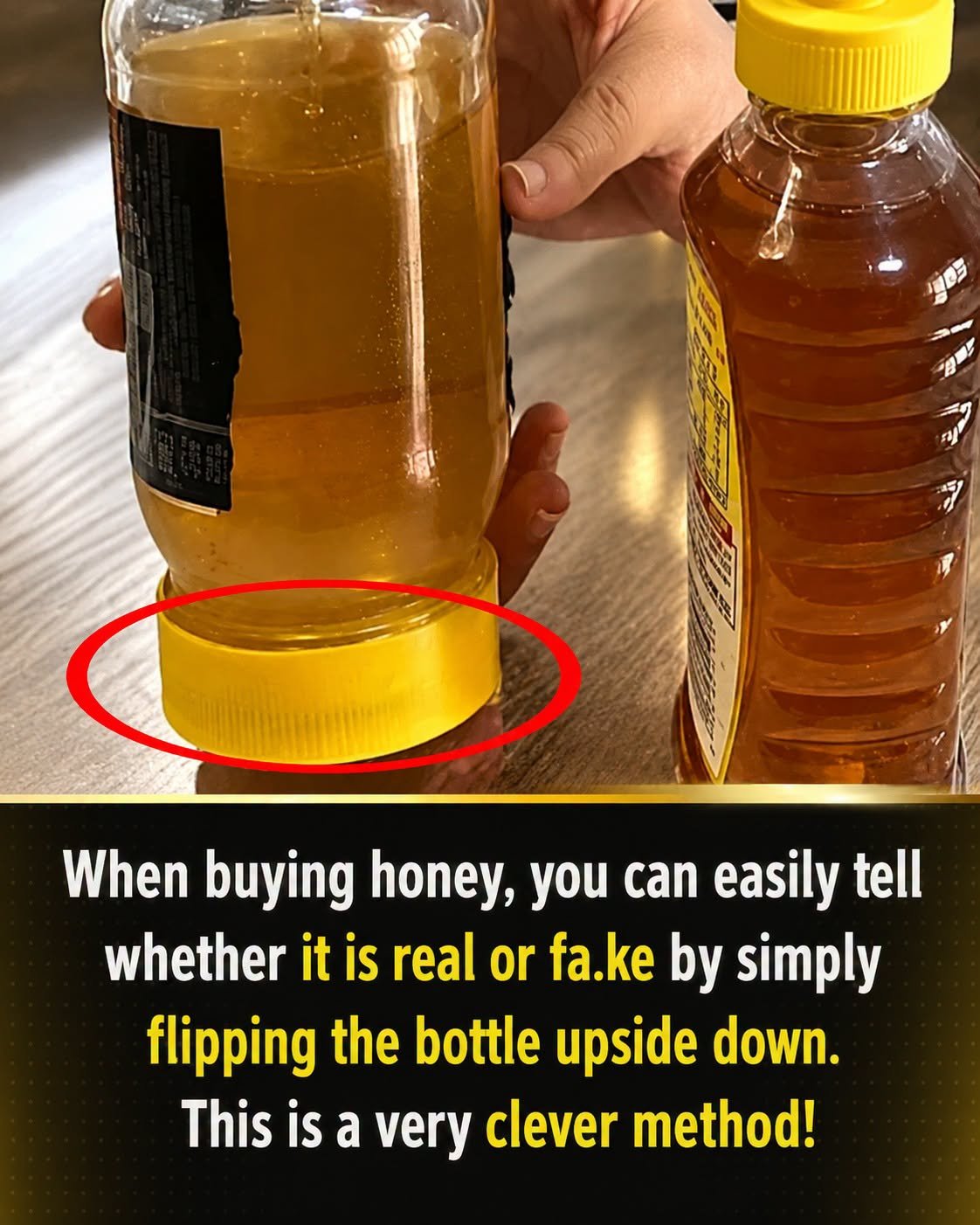
She set a clear glass honey jar on the oilcloth table between us. It was one of our eighteen-dollar signature jars from the fresh batch, but the liquid inside looked pale and moved too quickly when she nudged it.
“Mabel, this did not help Thomas’s throat last night,” Evelyn said in her quiet, precise schoolteacher voice. “He was rasping until dawn.”
I unscrewed the lid and took a sniff. “It looks a bit pale, Evelyn. The late aster harvest is sometimes lighter.”
“It tastes like plain white sugar,” she said, her voice dropping lower. “It did not soothe him at all.”
I dipped a clean teaspoon into the jar, watching the liquid slide off the metal without leaving the usual thick coating.
