

Having one or more risk factors does **not** mean someone will definitely develop an aneurysm, but it may increase the likelihood.
## Warning Signs of a Brain Aneurysm
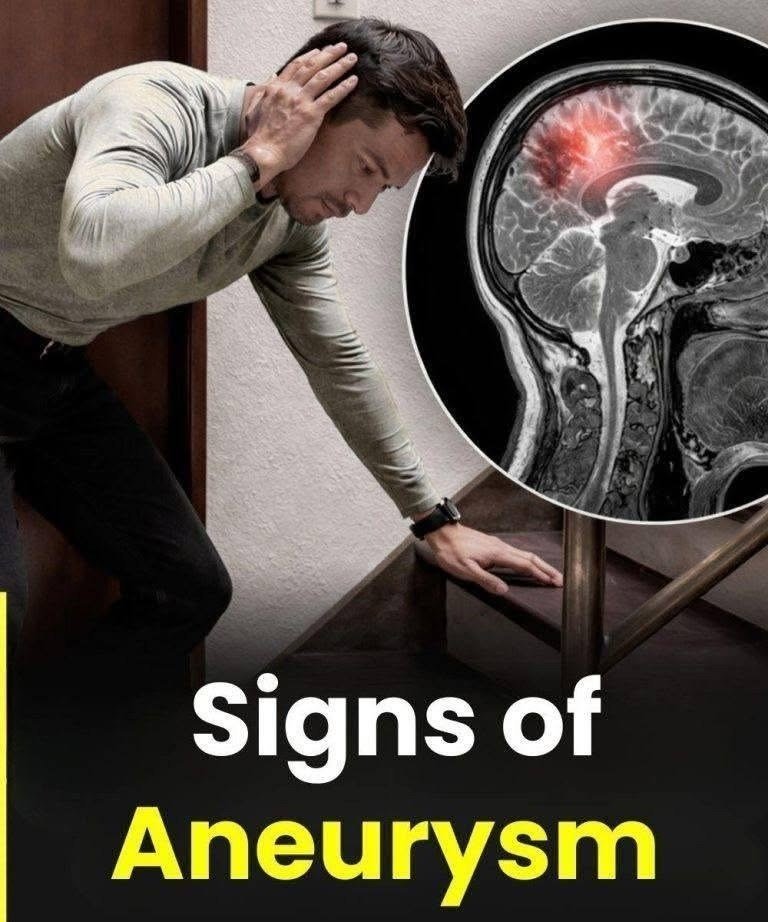
Many unruptured brain aneurysms cause no symptoms. However, if an aneurysm grows large enough to press on nearby nerves or brain tissue, it may cause symptoms such as:
### 1. Severe Headaches
A sudden, extremely intense headache—often described as the “worst headache of my life”—can be a warning sign of a ruptured brain aneurysm.
This type of headache comes on suddenly and reaches maximum intensity within seconds or minutes.
It is a medical emergency.
### 2. Vision Changes
An enlarging aneurysm may affect nearby nerves that control the eyes.
Possible symptoms include:
* Blurred vision
* Double vision
* Loss of part of the visual field
* Pain behind or above one eye
These symptoms should be evaluated promptly.
### 3. Drooping Eyelid
Pressure on certain cranial nerves may cause one eyelid to droop.
Although drooping eyelids can have several causes, sudden onset—especially when combined with other neurological symptoms—requires immediate medical attention.
### 4. Dilated Pupil
One pupil becoming noticeably larger than the other can occur if an aneurysm compresses nerves controlling the eye.
This is another symptom that should never be ignored.
### 5. Neck Pain or Stiffness
When a brain aneurysm ruptures, blood may irritate the tissues surrounding the brain, leading to severe neck stiffness and pain.
If this occurs alongside a sudden severe headache, emergency medical care is essential.
### 6. Nausea and Vomiting
Sudden nausea or vomiting accompanying an intense headache may indicate increased pressure inside the skull caused by bleeding.
Seek emergency care immediately if these symptoms occur together.
### 7. Sensitivity to Light
Bright lights may become painful after bleeding around the brain.
This symptom often appears together with severe headache and neck stiffness.
### 8. Confusion or Difficulty Speaking
Changes in thinking, confusion, slurred speech, or trouble understanding language can signal a serious neurological emergency.
