

Scattering. Dispersing a loved one’s remains in a place that held special meaning is a deeply personal option. This symbolic act of returning them to a cherished location – a serene forest, a favorite hiking trail, or the open ocean – provides a powerful sense of closure and release. But scattering comes with legal considerations that most people don’t know about until they’re standing somewhere with the ashes in hand.
Dividing the ashes. It is perfectly acceptable to share a loved one’s ashes among multiple family members. Many families choose to divide ashes so multiple people can keep a portion close, honor them in different ways, or hold memorials in separate locations. This is more common than you might think, and it can be a comforting way to ensure each person feels connected.
Keepsakes and other memorials. Cremation diamonds are a unique option – carbon is extracted from the ashes and compressed using the same process as lab-made synthetic diamonds. The cost typically ranges from $5,000 to $20,000. On a simpler end, some studios offer custom tattoo ink containing cremains, allowing family members to carry a permanent and personal reminder of their loved one. A growing number of people also turn to cremation jewelry – small pendants or charms that hold a portion of the ashes.
Know the Rules Before You Scatter
If scattering is on your mind, this section matters. Scattering ashes is legal in many locations across the United States, provided you follow the applicable rules for that specific location. Legal scattering locations include ocean waters beyond three nautical miles from shore, private land with the owner’s permission, national parks with a permit, and some state parks with authorization.
For ocean scattering, the rules are federal and clear. The EPA governs sea-based ash scatterings under the, and according to federal regulations, ashes must be scattered at least three nautical miles from shore. If you’re using a container or urn for the scattering ceremony, it must be made of biodegradable materials. Within 30 days of scattering ashes at sea, you must file a Burial at Sea Reporting Form with the EPA. Unlike non-cremated burials at sea, scattering cremated ashes requires no advance permit from the EPA. The 30-day notification is the only required paperwork at the federal level. You can submit this notification through
For national parks, scattering without a permit violates federal regulations and can result in a citation with fines ranging from $100 to $5,000 depending on the severity and location. The good news is that the parks that attract the most memorial visits – Yellowstone, Grand Canyon, Yosemite, Great Smoky Mountains – are accustomed to these requests. Their ranger offices process them regularly and are generally accommodating.
As of 2026, no state prohibits scattering on private land with the property owner’s permission. For public land, rivers, and state parks, rules vary significantly by state. Check with your state’s health or environmental agency before making plans.The Emotional Reality No One Warns You About
Receiving the ashes can trigger a fresh wave of grief, even if you felt relatively steady in the weeks before. Receiving cremation ashes can be an emotional experience, marking a significant step in the grieving process. Understanding what to expect can help alleviate some of the anxiety associated with this moment.
When someone close to you dies, your world changes. You are in mourning – feeling grief and sorrow at the loss. You may feel numb, shocked, and fearful. You may feel guilty for being the one who is still alive. You may even feel angry at your loved one for leaving you. All of these feelings are normal. There are no rules about how you should feel. There is no right or wrong way to mourn.
Grief doesn’t move in a straight line from shock to acceptance. It spirals. It surprises. It shows up on ordinary Tuesdays and quiet Sunday mornings.
Read More:
About 10% of bereaved people experience complicated grief – an intense, persistent grief that does not heal or improve over the span of several years following a significant loss. Signs of complicated grief include an inability to carry out daily activities, persistent inability to accept the death, or intense grief that worsens rather than softens over time. Some people find that grief counseling makes it easier to work through their sorrow. Regular talk therapy with a grief counselor or therapist can help those who are grieving learn to accept a death. If you’re struggling beyond the normal waves of acute grief, reaching out to a mental health professional is not a sign of weakness – according to, it’s a sign of strength.
Rituals give grief a place to land. After a ceremony, you might feel unmoored – like there’s nothing left to “do.” A small daily or weekly ritual can help. This might mean lighting a candle at a certain time of day, visiting a meaningful location on anniversaries, or simply keeping a journal. The consistency matters more than how elaborate it is.
What This Means for You
The most practical thing you can take from this article is permission to slow down. The ashes are not going anywhere. You don’t owe anyone a decision made in the fog of early grief.
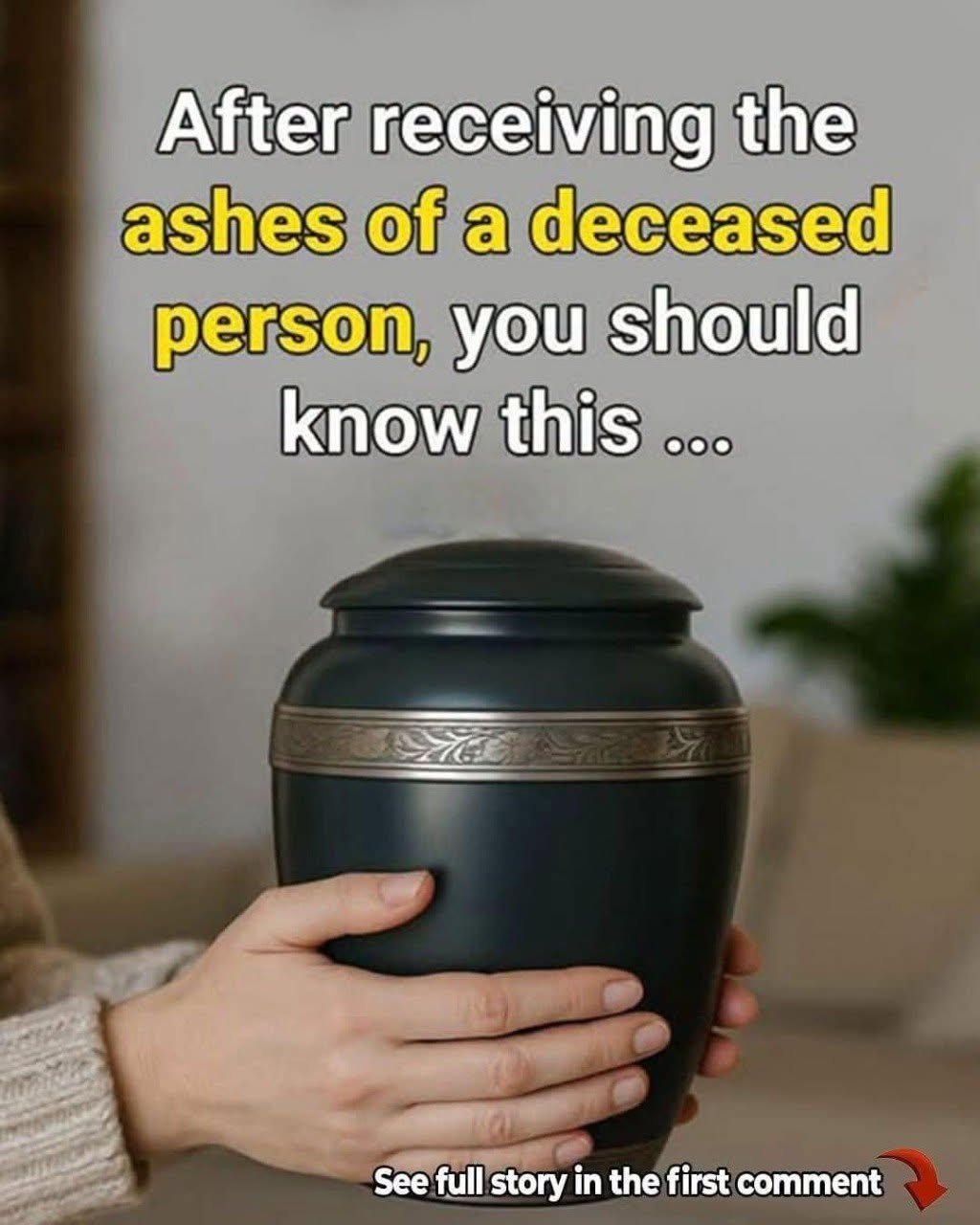
When you are ready, the options are broader than most people realize – from keeping the remains at home in a meaningful urn, to interring them in a cemetery that becomes a fixed place to visit, to a scattering ceremony at a location that meant something to the person you lost. Regardless of what you choose, there is no right or wrong way to memorialize someone you love. Whether you opt for an urn, a piece of cremation jewelry, or a scattering ceremony at a place that mattered to them, the most important thing is that the choice carries meaning for you and your family.
If grief is affecting your physical or mental health, please talk to your doctor or a licensed counselor. Grief can be hard on your health. Exercise regularly, eat healthy food, and try to get enough sleep. Bad habits, such as drinking too much alcohol or smoking, can put your health at risk. Taking care of your body is not separate from grief. It’s part of moving through it.
Whatever you choose to do with a loved one’s ashes, the intention behind the choice is what carries the most meaning. A modest urn on a kitchen shelf, chosen with love, holds just as much as the grandest memorial. What you’re building isn’t a performance of grief. It’s a private acknowledgment that someone mattered – and that they still do.
Disclaimer: This information is not intended to be a substitute for professional medical advice, diagnosis, or treatment and is for information only. Always seek the advice of your physician or another qualified health provider with any questions about your medical condition and/or current medication. Do not disregard professional medical advice or delay seeking advice or treatment because of something you have read here.
AI Disclaimer: This article was created with the assistance of AI tools and reviewed by a human editor.
