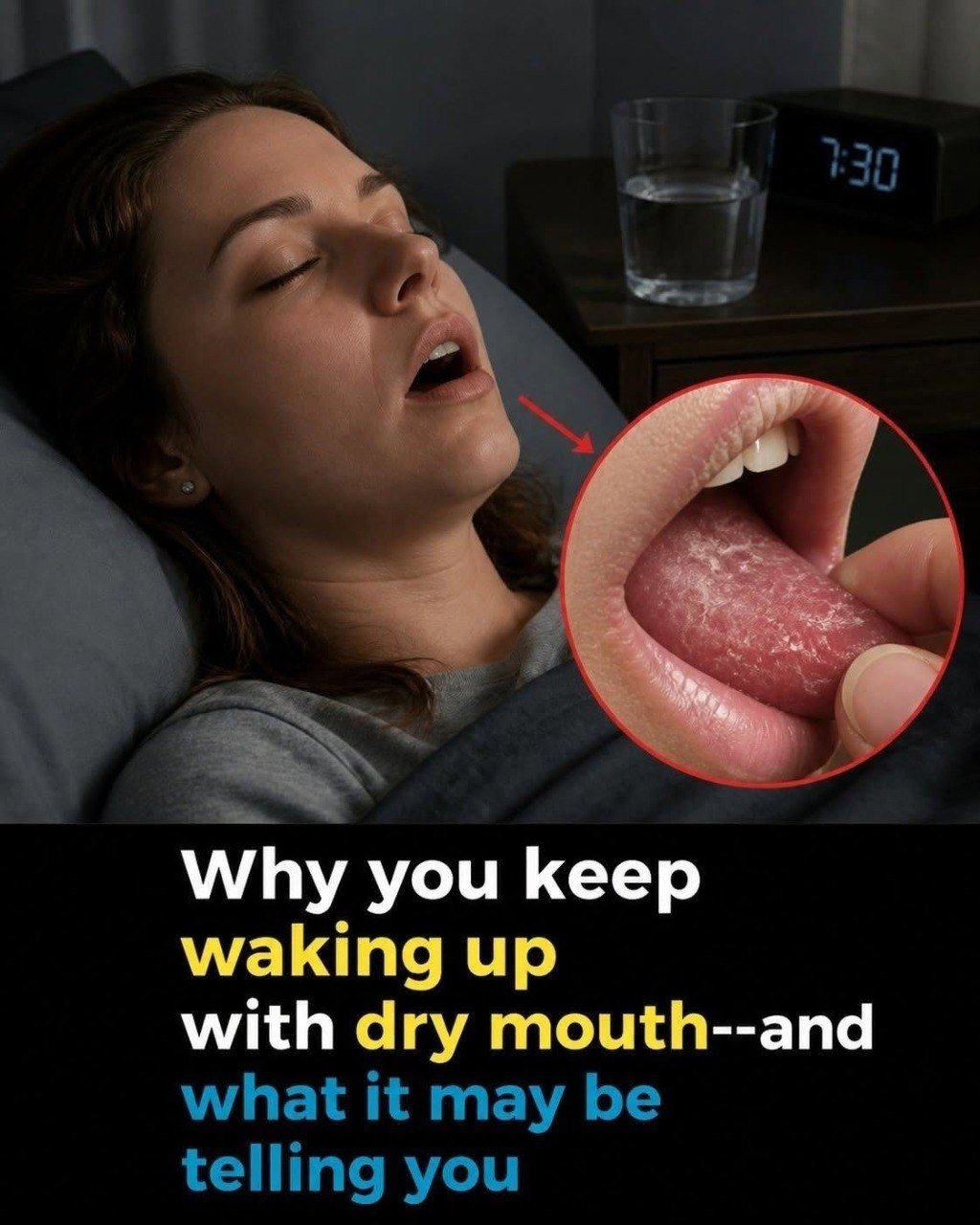
Waking up with dry mouth? Here’s what your body might be telling you 1

  • Several Health Factors Trigger Symptoms – Dry mouth symptoms can result from dehydration, mouth breathing, certain medications, aging, diabetes, Sjögren’s syndrome, and sleep-related conditions such as snoring or sleep apnea that reduce moisture in the mouth.
  • Untreated Dry Mouth Can Affect Oral Health – A lack of saliva increases the risk of cavities, bad breath, mouth sores, and gum problems because saliva helps wash away bacteria and protect teeth from decay.
  • Early Management Helps Prevent Complications – Drinking more water, using a humidifier, chewing sugar-free gum, maintaining good oral hygiene, and consulting a dentist or healthcare provider for persistent symptoms can improve comfort and reduce long-term dental risks.
  • Symptoms of Dry Mouth

    Dry mouth is characterized by a lack of saliva in the oral cavity. Some common symptoms of dry mouth include:

    • A sticky or dry feeling in the mouth.
    • Difficulty in chewing, swallowing, or speaking.
    • A persistent sore throat.
    • Frequent thirst, especially at night.
    • Bad breath (halitosis).
    • Cracked lips and sores in the corners of the mouth.