

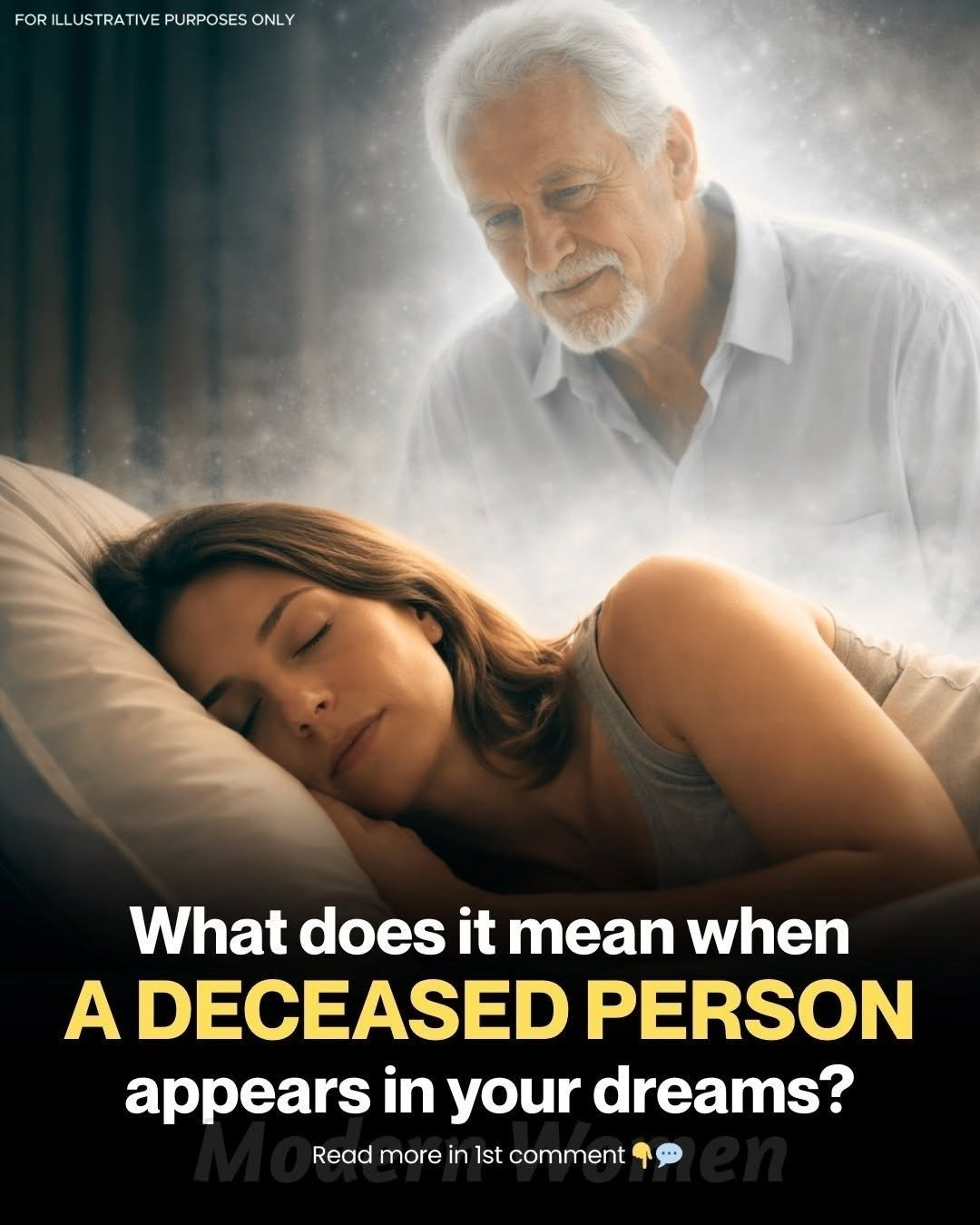
8. Cultural and Spiritual Interpretations
Beyond science, many cultures interpret these dreams in spiritual ways.
In some beliefs:
Dreams are a form of visitation
The deceased may appear to offer comfort or guidance
The dream is a symbolic connection between worlds
While science does not confirm these interpretations, they are meaningful to many people and often provide emotional comfort.
9. The Role of Attachment
Human beings form strong emotional attachments throughout life. When someone we are deeply attached to dies, the attachment does not disappear immediately.
Dreams may reflect:
Ongoing attachment bonds
Emotional dependency patterns
Desire for connection
This is especially common when the relationship was very close, such as a parent, partner, or lifelong friend.
10. Why These Dreams Feel So Real
Dreams of deceased loved ones often feel more vivid than ordinary dreams.
This is because:
Emotional intensity is higher
Memory circuits are strongly activated
The brain simulates familiar interactions
The emotional significance increases clarity
As a result, many people wake up feeling like they actually spent time with the person.
Common Types of Dreams About the Deceased
These dreams often fall into different emotional categories:
1. Comforting dreams
The deceased appears happy, peaceful, or reassuring.
2. Conversational dreams
You speak with them, often about unresolved topics.
3. Repetitive memory dreams
You relive past experiences together.
4. Distressing dreams
The dream may reflect grief, fear, or unresolved trauma.
Each type reflects different emotional needs or mental processing.
Are These Dreams Normal?
Yes. Dreaming of deceased loved ones is completely normal and very common.
Most people experience this at some point in life, especially after losing someone important. It does not indicate psychological problems—in fact, it is often part of healthy emotional processing.
When Should You Pay Attention?
While most of these dreams are harmless, they may be significant if:
They cause intense emotional distress
They interfere with sleep regularly
They trigger unresolved trauma repeatedly
In such cases, talking to a mental health professional can be helpful.
