

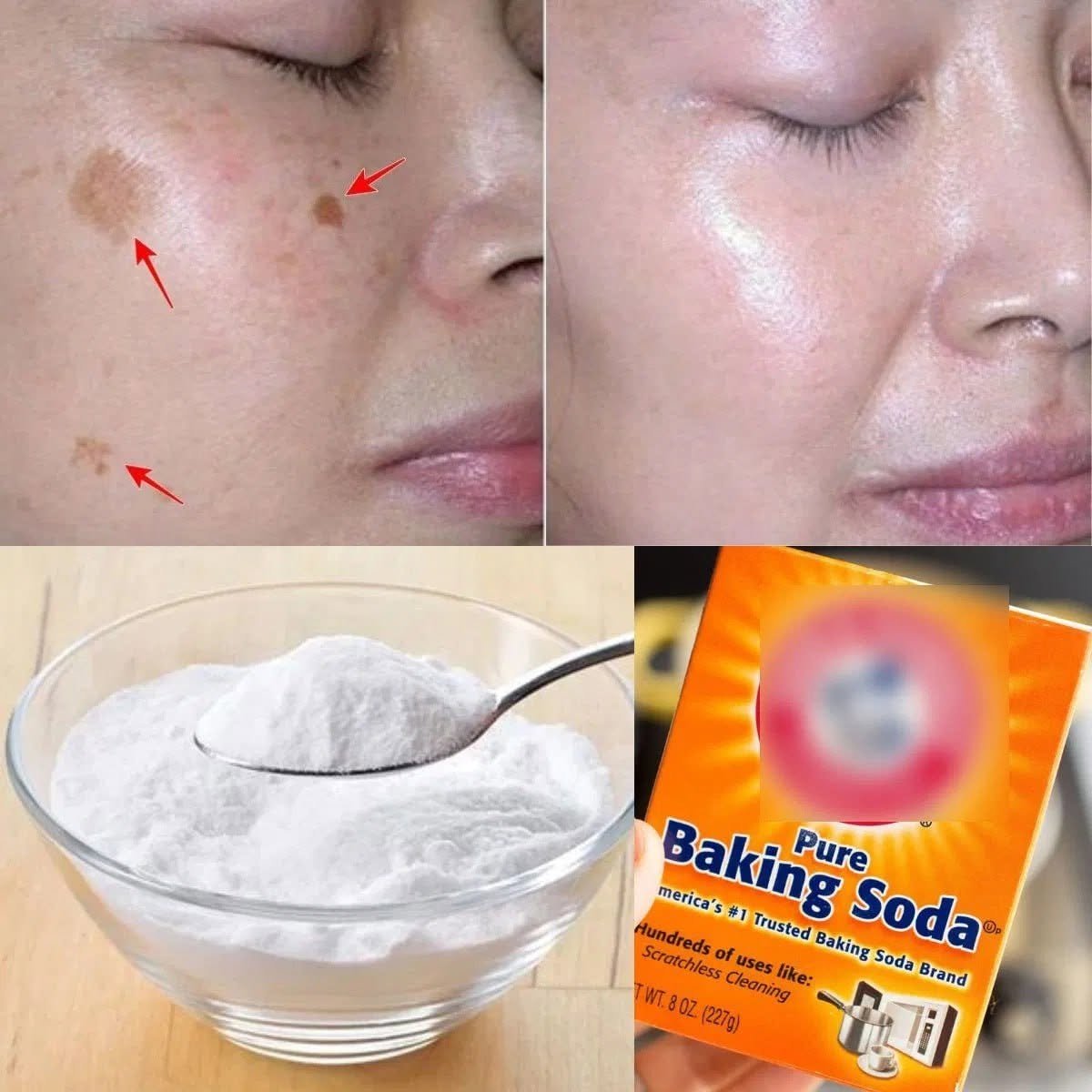
However, dermatologists caution that baking soda is not a proven treatment for age spots. The skin naturally has a slightly acidic pH, while baking soda is alkaline. Frequent use can disrupt the skin’s protective barrier, leading to dryness, irritation, redness, and increased sensitivity. In some cases, excessive use may even worsen skin problems rather than improve them.
Scientific evidence supporting baking soda as an effective age spot treatment is limited. Age spots result from an accumulation of melanin in the skin, and simply exfoliating the surface does not remove the deeper pigmentation responsible for these marks.
For those seeking proven solutions, dermatologists often recommend treatments such as topical retinoids, vitamin C serums, chemical peels, laser therapy, or prescription lightening agents. These options target pigmentation more effectively and are supported by clinical research.
Prevention is equally important. Daily use of broad-spectrum sunscreen with an SPF of at least 30 can help prevent new age spots from forming and stop existing spots from becoming darker. Wearing protective clothing and limiting excessive sun exposure can also protect the skin from further damage.
While baking soda may provide mild exfoliation and a temporary brightening effect, it should not be considered a miracle cure for age spots. Anyone with sensitive skin or persistent pigmentation concerns should consult a dermatologist before trying home remedies.
Healthy skin comes from consistent care, proper sun protection, and treatments that are both safe and supported by scientific evidence. Before relying on viral beauty hacks, it is always wise to consider what the research actually shows.
